
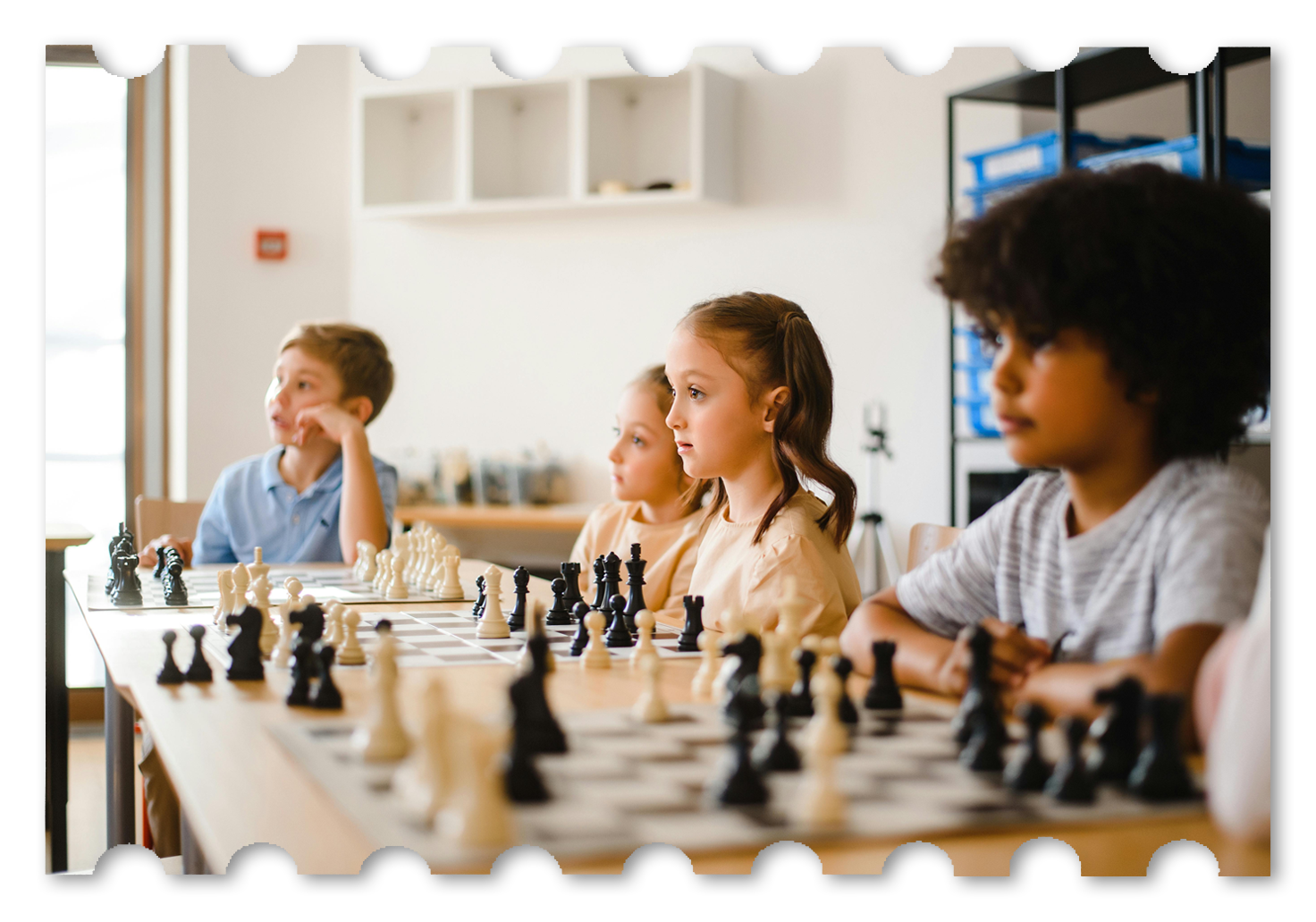
LESSONS AT TORONTO CHESS CLUB
Great players begin with great teachers.
At TCC, we want young Canadians to dream big—and players of every age to find more confidence, understanding and enjoyment in the game. Beginners are welcome, and we also work with developing players and tournament competitors, adapting lessons to each student’s age, experience and goals. Our comprehensive teaching program pairs the world-renowned Chess Steps curriculum with modern tools, purposeful practice and a clear path for progress—from the very first move to confident, highly skilled play.
Two paths. One standard.
Learn one-on-one with a private instructor or build skills alongside peers in the Toronto Chess Club Academy.
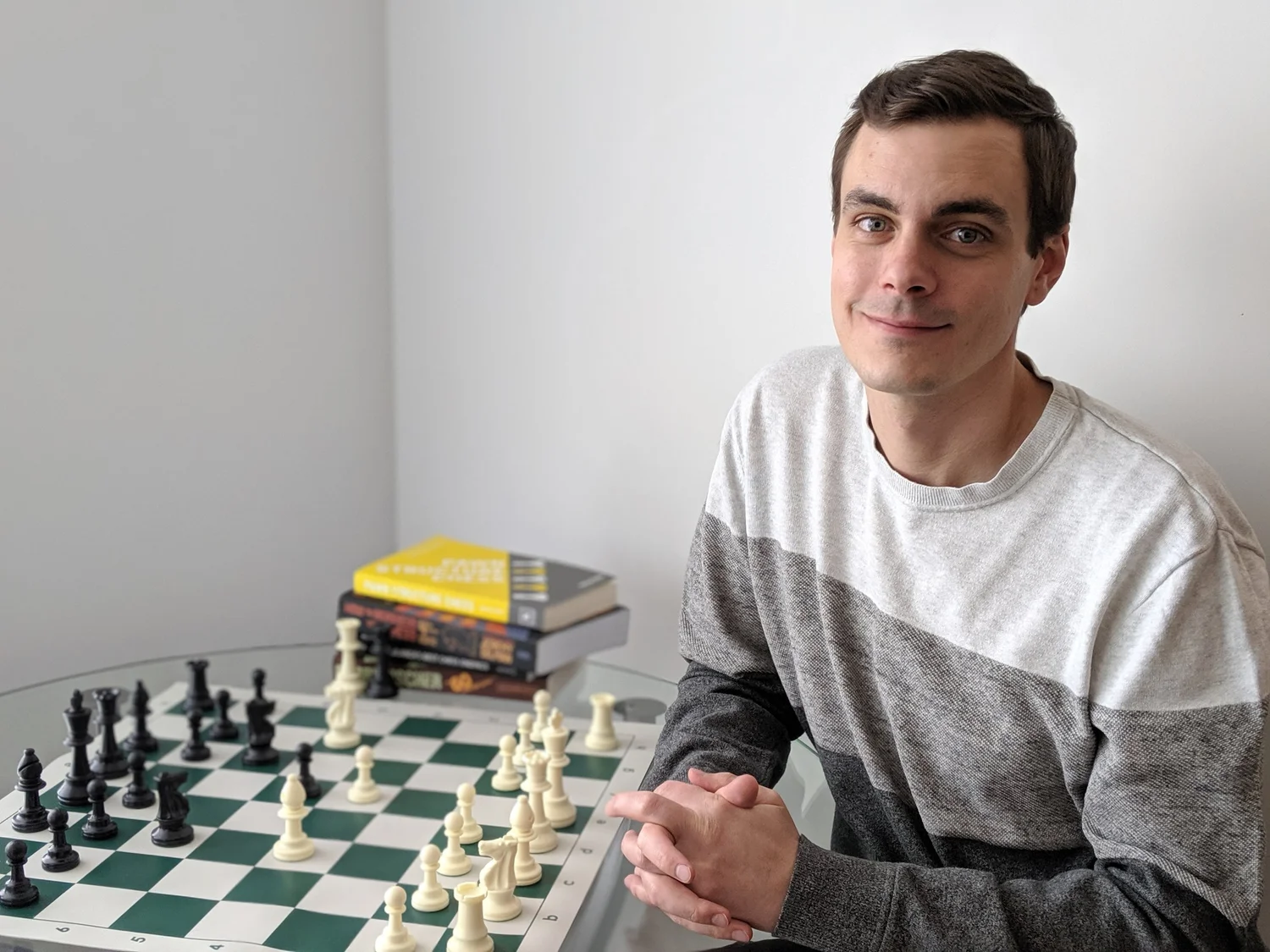
ONE-ON-ONE · ALL AGES
Private lessons
From first moves to tournament preparation, personalized instruction adapts to the player’s age, experience and goals.
- Online or in person
- Flexible scheduling
- 60-minute standard lesson
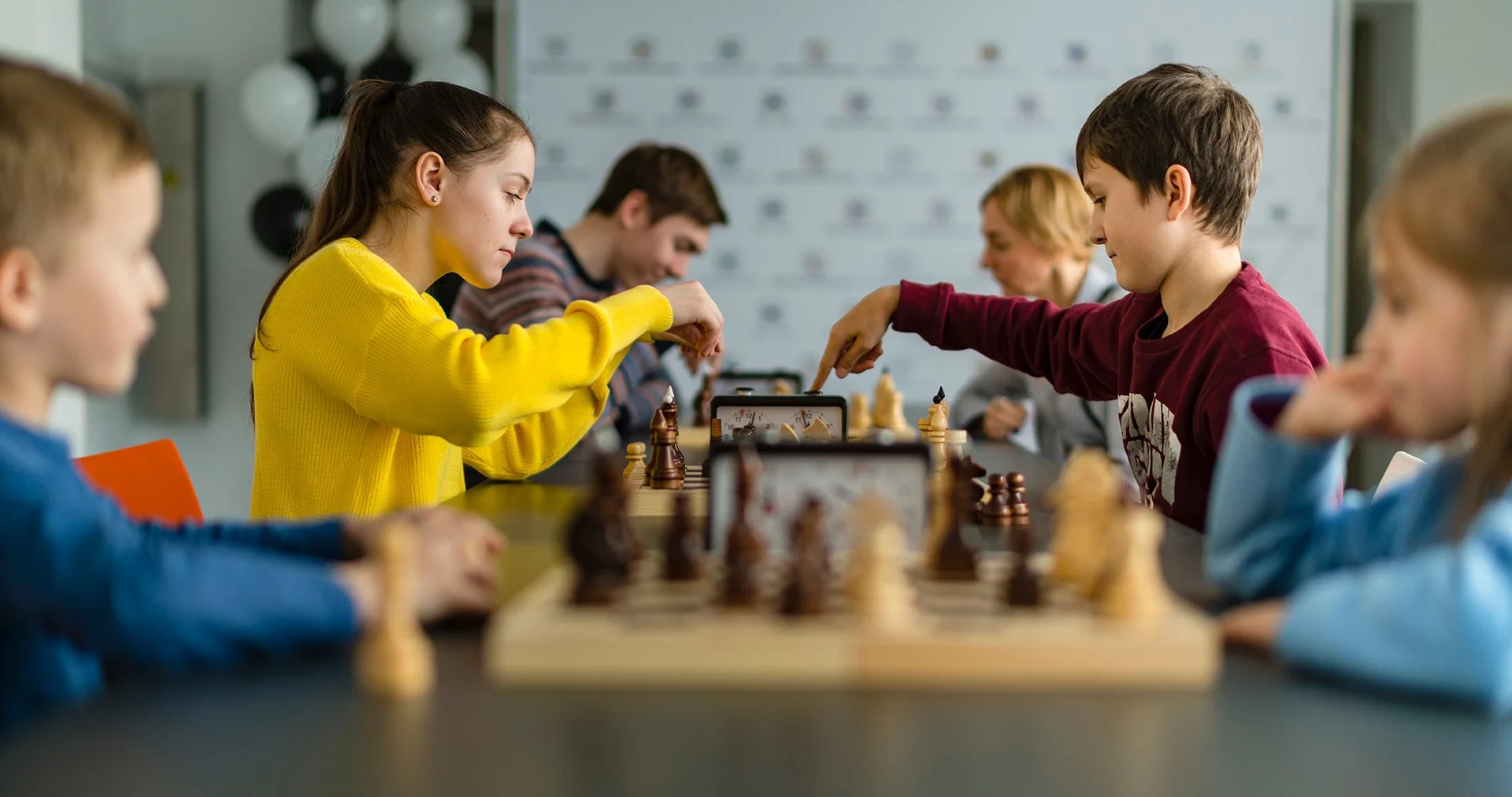
GROUP CLASSES · AGES 6–16
Toronto Chess Club Academy
Level-based classes for ages 6–16 combine structured Chess Steps instruction with guided play, exploration and peer learning.
- Markham and Oakville
- 18 weekly classes
- 90 minutes per class
BUILT FOR LASTING PROGRESS
Everything a player needs to keep growing.
A strong lesson does more than explain the next idea. It gives the player direction, meaningful practice and a clearer understanding of what to work on next.
A clear progression
Chess Steps provides a coherent sequence from foundational patterns toward increasingly sophisticated play.
Teaching that meets the player
Instructors adapt material, pace and activities to the player’s age, experience and goals—balancing structure with play and exploration when younger students need it.
Practice with purpose
Positions, exercises, guided play and follow-up work turn explanation into skills the player can use.
Modern analysis
Students learn to use the Lichess suite, examine engine suggestions and identify the chess logic behind them.
Tournament perspective
When relevant, game review, notation and preparation connect learning to the decisions and pressures of competitive play.
A visible next step
Useful feedback makes improvement visible and identifies what deserves the player’s attention next.
NOT SURE WHERE TO BEGIN?
Start with a conversation.
A free individual intro can help identify the right lesson format and starting point.
Every chess master was once a beginner.